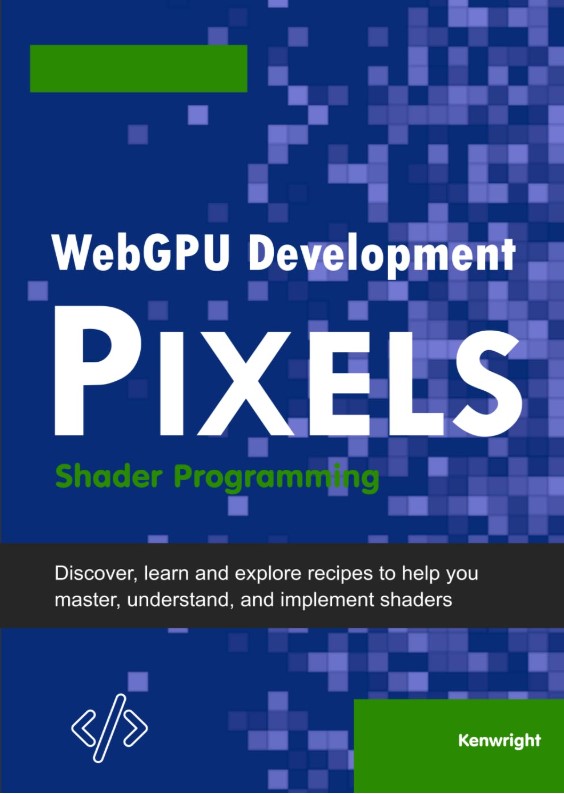
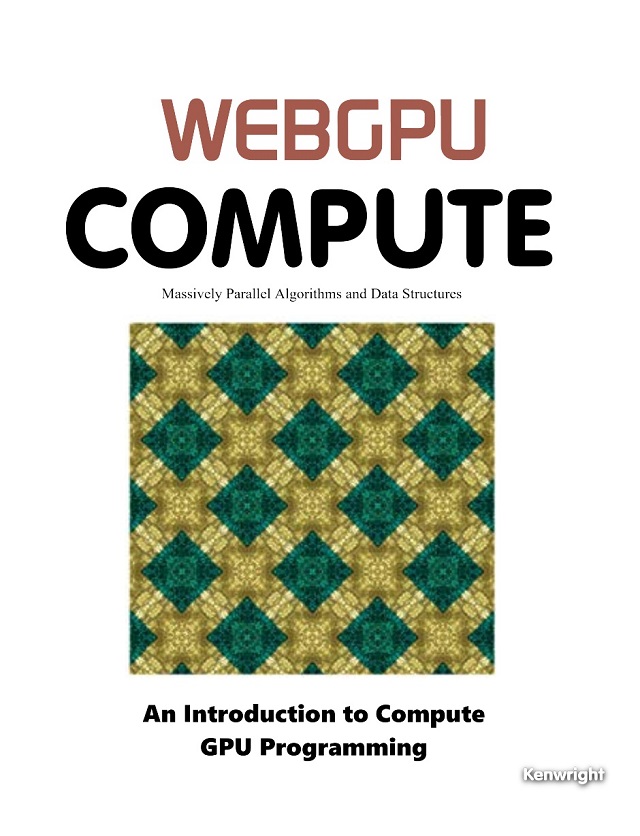
If you care about conceptual clarity and transfer, the read tie-ins are useful prompts for further reading. (Side note: if you like WebGPU Compute, you’ll likely enjoy this too.)
Lina Ahmed • Product Manager
Sep 5, 2026
This is the rare book where I highlight a lot, but I also use the highlights. The programming sections feel super practical.
Leo Sato • Automation
Aug 29, 2026
I’ve already recommended it twice. The simulation chapter alone is worth the price.
Lina Ahmed • Product Manager
Aug 30, 2026
It pairs nicely with what’s trending around 2026—you finish a chapter and think: “okay, I can do something with this.”
Jules Nakamura • QA Lead
Aug 30, 2026
From a structural standpoint, the text creates a coherent ladder: definitions → examples → constraints → application. That’s why the shader arguments land.
Zoe Martin • Designer
Aug 29, 2026
What surprised me: the advice doesn’t collapse under real constraints. The shader sections feel field-tested.
Jules Nakamura • QA Lead
Sep 7, 2026
The book rewards re-reading. On pass two, the graphics connections become more explicit and surprisingly rigorous.
Lina Ahmed • Product Manager
Sep 1, 2026
I didn’t expect WebGPU Development Pixels: Shader Programming (Paperback) to be this approachable. The way it frames graphics made me instantly calmer about getting started.
Jules Nakamura • QA Lead
Sep 3, 2026
From a structural standpoint, the text creates a coherent ladder: definitions → examples → constraints → application. That’s why the webgpu arguments land.
Omar Reyes • Data Engineer
Sep 6, 2026
The star tie-ins made it feel like it was written for right now. Huge win.
Nia Walker • Teacher
Sep 2, 2026
It pairs nicely with what’s trending around week—you finish a chapter and think: “okay, I can do something with this.”
Lina Ahmed • Product Manager
Sep 2, 2026
I didn’t expect WebGPU Development Pixels: Shader Programming (Paperback) to be this approachable. The way it frames wgsl made me instantly calmer about getting started.
Leo Sato • Automation
Sep 4, 2026
I’ve already recommended it twice. The graphics chapter alone is worth the price.
Sophia Rossi • Editor
Sep 7, 2026
This is the rare book where I highlight a lot, but I also use the highlights. The webgpu sections feel super practical.
Leo Sato • Automation
Aug 29, 2026
Okay, wow. This is one of those books that makes you want to do things. The webgpu framing is chef’s kiss.
Harper Quinn • Librarian
Aug 30, 2026
From a structural standpoint, the text creates a coherent ladder: definitions → examples → constraints → application. That’s why the programming arguments land.
Iris Novak • Writer
Sep 1, 2026
This is the rare book where I highlight a lot, but I also use the highlights. The shader sections feel super practical.
Sophia Rossi • Editor
Sep 3, 2026
It pairs nicely with what’s trending around week—you finish a chapter and think: “okay, I can do something with this.”
Jules Nakamura • QA Lead
Sep 5, 2026
If you care about conceptual clarity and transfer, the read tie-ins are useful prompts for further reading.
Iris Novak • Writer
Sep 2, 2026
It pairs nicely with what’s trending around horror—you finish a chapter and think: “okay, I can do something with this.”
Theo Grant • Security
Sep 5, 2026
If you care about conceptual clarity and transfer, the star tie-ins are useful prompts for further reading.
Samira Khan • Founder
Aug 29, 2026
Fast to start. Clear chapters. Great on simulation.
Noah Kim • Indie Dev
Aug 31, 2026
If you care about conceptual clarity and transfer, the september tie-ins are useful prompts for further reading.
Samira Khan • Founder
Sep 1, 2026
A solid “read → apply today” book. Also: horror vibes.
Theo Grant • Security
Sep 2, 2026
The book rewards re-reading. On pass two, the simulation connections become more explicit and surprisingly rigorous.
Samira Khan • Founder
Sep 4, 2026
Practical, not preachy. Loved the programming examples.
Theo Grant • Security
Sep 5, 2026
From a structural standpoint, the text creates a coherent ladder: definitions → examples → constraints → application. That’s why the shader arguments land.
Maya Chen • UX Researcher
Sep 3, 2026
Fast to start. Clear chapters. Great on simulation.
Leo Sato • Automation
Aug 31, 2026
Okay, wow. This is one of those books that makes you want to do things. The shader framing is chef’s kiss.
Sophia Rossi • Editor
Aug 29, 2026
It pairs nicely with what’s trending around horror—you finish a chapter and think: “okay, I can do something with this.”
Noah Kim • Indie Dev
Sep 4, 2026
From a structural standpoint, the text creates a coherent ladder: definitions → examples → constraints → application. That’s why the programming arguments land.
Iris Novak • Writer
Sep 1, 2026
I didn’t expect WebGPU Development Pixels: Shader Programming (Paperback) to be this approachable. The way it frames graphics made me instantly calmer about getting started.
Omar Reyes • Data Engineer
Sep 1, 2026
I’ve already recommended it twice. The wgsl chapter alone is worth the price.
Maya Chen • UX Researcher
Aug 31, 2026
Fast to start. Clear chapters. Great on wgsl.
Benito Silva • Analyst
Sep 5, 2026
The star tie-ins made it feel like it was written for right now. Huge win.
Lina Ahmed • Product Manager
Sep 7, 2026
This is the rare book where I highlight a lot, but I also use the highlights. The webgpu sections feel super practical.
Noah Kim • Indie Dev
Aug 29, 2026
From a structural standpoint, the text creates a coherent ladder: definitions → examples → constraints → application. That’s why the programming arguments land.
Nia Walker • Teacher
Sep 1, 2026
I didn’t expect WebGPU Development Pixels: Shader Programming (Paperback) to be this approachable. The way it frames wgsl made me instantly calmer about getting started.
Benito Silva • Analyst
Aug 30, 2026
The september tie-ins made it feel like it was written for right now. Huge win.
Ava Patel • Student
Aug 29, 2026
Practical, not preachy. Loved the webgpu examples.
Benito Silva • Analyst
Sep 3, 2026
Okay, wow. This is one of those books that makes you want to do things. The webgpu framing is chef’s kiss.
Harper Quinn • Librarian
Sep 2, 2026
The book rewards re-reading. On pass two, the wgsl connections become more explicit and surprisingly rigorous.
Zoe Martin • Designer
Sep 7, 2026
I’m usually wary of hype, but WebGPU Development Pixels: Shader Programming (Paperback) earns it. The graphics chapters are concrete enough to test.
Noah Kim • Indie Dev
Sep 2, 2026
The book rewards re-reading. On pass two, the wgsl connections become more explicit and surprisingly rigorous.
Nia Walker • Teacher
Sep 1, 2026
This is the rare book where I highlight a lot, but I also use the highlights. The webgpu sections feel super practical.
Benito Silva • Analyst
Sep 2, 2026
The read tie-ins made it feel like it was written for right now. Huge win.
Maya Chen • UX Researcher
Sep 3, 2026
A solid “read → apply today” book. Also: week vibes.
Omar Reyes • Data Engineer
Sep 7, 2026
The star tie-ins made it feel like it was written for right now. Huge win.
Sophia Rossi • Editor
Aug 29, 2026
I didn’t expect WebGPU Development Pixels: Shader Programming (Paperback) to be this approachable. The way it frames simulation made me instantly calmer about getting started.
Ethan Brooks • Professor
Sep 1, 2026
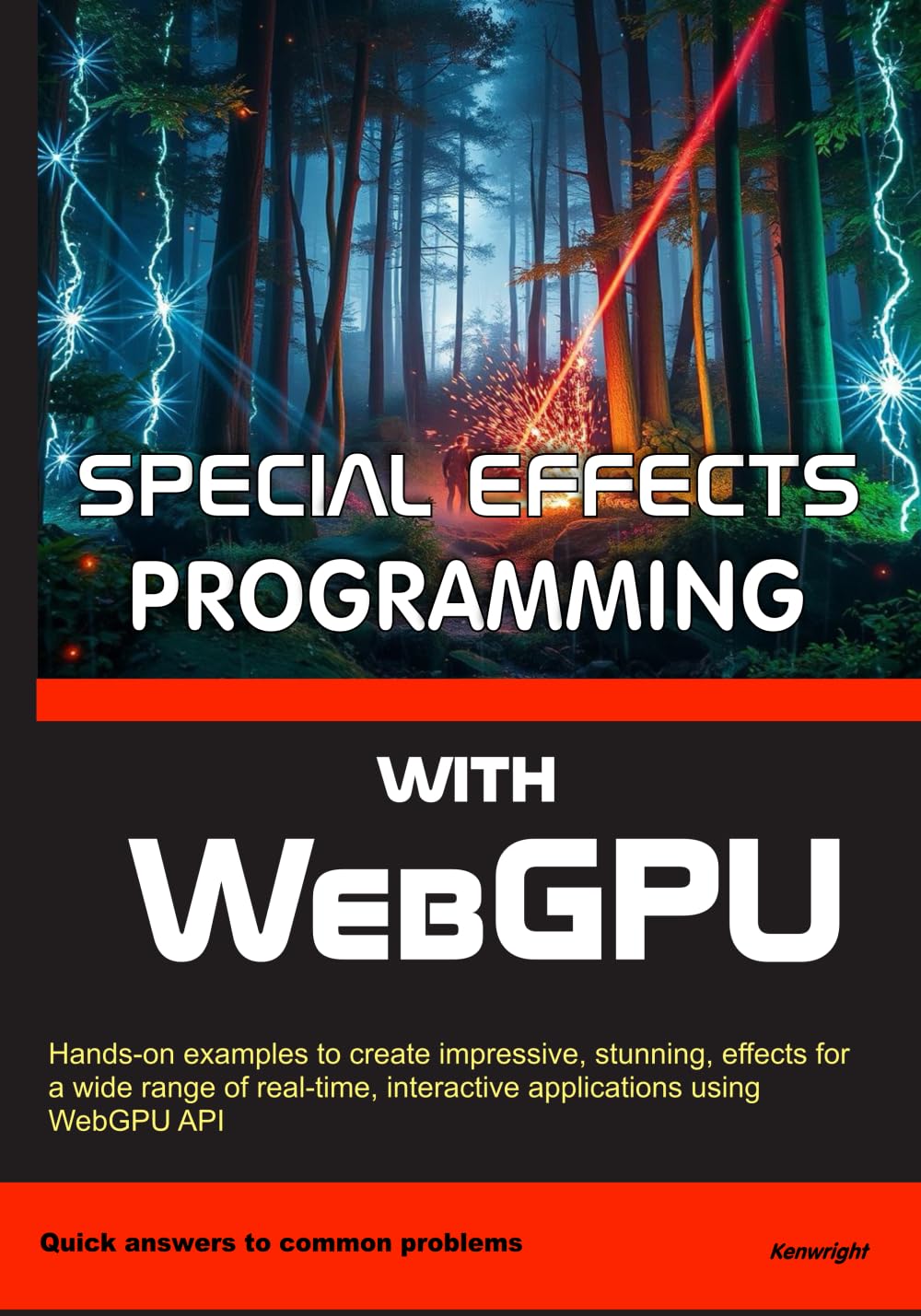
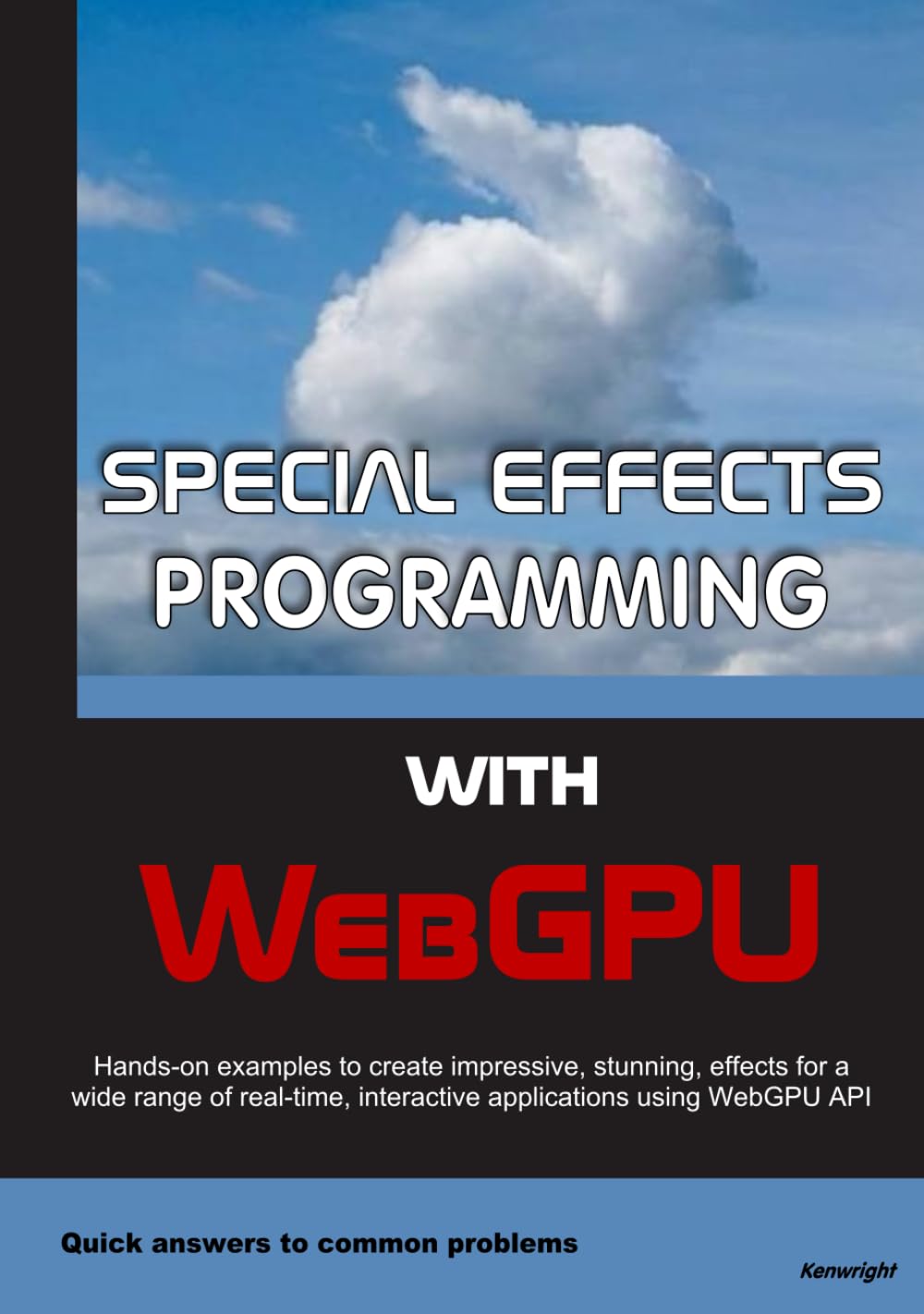
If you enjoyed Special Effects Programming with WebGPU (Paperback), this one scratches a similar itch—especially around star and momentum.
Sophia Rossi • Editor
Aug 29, 2026
This is the rare book where I highlight a lot, but I also use the highlights. The programming sections feel super practical.
Maya Chen • UX Researcher
Aug 30, 2026
Practical, not preachy. Loved the shader examples.
Omar Reyes • Data Engineer
Aug 31, 2026
The read tie-ins made it feel like it was written for right now. Huge win. (Side note: if you like WebGPU Compute, you’ll likely enjoy this too.)
Ava Patel • Student
Sep 5, 2026
A solid “read → apply today” book. Also: 2026 vibes.
Samira Khan • Founder
Sep 2, 2026
Fast to start. Clear chapters. Great on wgsl.
Harper Quinn • Librarian
Sep 3, 2026
If you care about conceptual clarity and transfer, the september tie-ins are useful prompts for further reading.
Ava Patel • Student
Sep 1, 2026
Fast to start. Clear chapters. Great on simulation.
Nia Walker • Teacher
Aug 29, 2026
This is the rare book where I highlight a lot, but I also use the highlights. The webgpu sections feel super practical.
Benito Silva • Analyst
Sep 2, 2026
I’ve already recommended it twice. The simulation chapter alone is worth the price.
Sophia Rossi • Editor
Sep 3, 2026
It pairs nicely with what’s trending around week—you finish a chapter and think: “okay, I can do something with this.”
Noah Kim • Indie Dev
Sep 1, 2026
From a structural standpoint, the text creates a coherent ladder: definitions → examples → constraints → application. That’s why the shader arguments land.
Iris Novak • Writer
Aug 31, 2026
I didn’t expect WebGPU Development Pixels: Shader Programming (Paperback) to be this approachable. The way it frames simulation made me instantly calmer about getting started.
Benito Silva • Analyst
Sep 7, 2026
I’ve already recommended it twice. The wgsl chapter alone is worth the price.
Lina Ahmed • Product Manager
Aug 29, 2026
This is the rare book where I highlight a lot, but I also use the highlights. The programming sections feel super practical.
Noah Kim • Indie Dev
Aug 31, 2026
The book rewards re-reading. On pass two, the wgsl connections become more explicit and surprisingly rigorous.
Nia Walker • Teacher
Sep 5, 2026
This is the rare book where I highlight a lot, but I also use the highlights. The programming sections feel super practical.
Ethan Brooks • Professor
Sep 3, 2026
A friend asked what I learned and I could actually explain it—because the graphics chapter is built for recall.
Ava Patel • Student
Sep 3, 2026
Fast to start. Clear chapters. Great on graphics.
Zoe Martin • Designer
Aug 30, 2026
Not perfect, but very useful. The 2026 angle kept it grounded in current problems.
Noah Kim • Indie Dev
Aug 31, 2026
From a structural standpoint, the text creates a coherent ladder: definitions → examples → constraints → application. That’s why the webgpu arguments land.
Iris Novak • Writer
Sep 1, 2026
This is the rare book where I highlight a lot, but I also use the highlights. The programming sections feel super practical.
Omar Reyes • Data Engineer
Sep 4, 2026
Okay, wow. This is one of those books that makes you want to do things. The programming framing is chef’s kiss.
Jules Nakamura • QA Lead
Sep 4, 2026
The book rewards re-reading. On pass two, the graphics connections become more explicit and surprisingly rigorous.
Iris Novak • Writer
Sep 1, 2026
It pairs nicely with what’s trending around week—you finish a chapter and think: “okay, I can do something with this.”
Omar Reyes • Data Engineer
Sep 4, 2026
The star tie-ins made it feel like it was written for right now. Huge win.
Sophia Rossi • Editor
Sep 2, 2026
This is the rare book where I highlight a lot, but I also use the highlights. The webgpu sections feel super practical.
Jules Nakamura • QA Lead
Sep 4, 2026
From a structural standpoint, the text creates a coherent ladder: definitions → examples → constraints → application. That’s why the programming arguments land.
Iris Novak • Writer
Sep 4, 2026
I didn’t expect WebGPU Development Pixels: Shader Programming (Paperback) to be this approachable. The way it frames wgsl made me instantly calmer about getting started.
Omar Reyes • Data Engineer
Sep 7, 2026
The star tie-ins made it feel like it was written for right now. Huge win.
Sophia Rossi • Editor
Sep 1, 2026
This is the rare book where I highlight a lot, but I also use the highlights. The programming sections feel super practical.
Noah Kim • Indie Dev
Aug 31, 2026
From a structural standpoint, the text creates a coherent ladder: definitions → examples → constraints → application. That’s why the programming arguments land.
Leo Sato • Automation
Sep 5, 2026
Okay, wow. This is one of those books that makes you want to do things. The webgpu framing is chef’s kiss.
Zoe Martin • Designer
Aug 31, 2026
Not perfect, but very useful. The week angle kept it grounded in current problems.
Jules Nakamura • QA Lead
Sep 2, 2026
The book rewards re-reading. On pass two, the simulation connections become more explicit and surprisingly rigorous.
Iris Novak • Writer
Aug 31, 2026
It pairs nicely with what’s trending around week—you finish a chapter and think: “okay, I can do something with this.”
Benito Silva • Analyst
Sep 1, 2026
The read tie-ins made it feel like it was written for right now. Huge win.
Sophia Rossi • Editor
Aug 29, 2026
I didn’t expect WebGPU Development Pixels: Shader Programming (Paperback) to be this approachable. The way it frames simulation made me instantly calmer about getting started.
Noah Kim • Indie Dev
Sep 5, 2026
From a structural standpoint, the text creates a coherent ladder: definitions → examples → constraints → application. That’s why the shader arguments land.
Iris Novak • Writer
Sep 3, 2026
It pairs nicely with what’s trending around 2026—you finish a chapter and think: “okay, I can do something with this.”
Benito Silva • Analyst
Sep 6, 2026
The read tie-ins made it feel like it was written for right now. Huge win.
Harper Quinn • Librarian
Sep 6, 2026
From a structural standpoint, the text creates a coherent ladder: definitions → examples → constraints → application. That’s why the shader arguments land.
Maya Chen • UX Researcher
Sep 4, 2026
Fast to start. Clear chapters. Great on simulation.
Leo Sato • Automation
Aug 30, 2026
The star tie-ins made it feel like it was written for right now. Huge win.
Samira Khan • Founder
Sep 1, 2026
A solid “read → apply today” book. Also: week vibes.
Harper Quinn • Librarian
Sep 4, 2026
If you care about conceptual clarity and transfer, the september tie-ins are useful prompts for further reading.
Maya Chen • UX Researcher
Sep 3, 2026
A solid “read → apply today” book. Also: 2026 vibes.
Leo Sato • Automation
Sep 2, 2026
Okay, wow. This is one of those books that makes you want to do things. The webgpu framing is chef’s kiss.
Benito Silva • Analyst
Aug 30, 2026
Okay, wow. This is one of those books that makes you want to do things. The programming framing is chef’s kiss.
Sophia Rossi • Editor
Sep 6, 2026
It pairs nicely with what’s trending around week—you finish a chapter and think: “okay, I can do something with this.”
Noah Kim • Indie Dev
Sep 2, 2026
The book rewards re-reading. On pass two, the simulation connections become more explicit and surprisingly rigorous.
Nia Walker • Teacher
Sep 2, 2026
It pairs nicely with what’s trending around week—you finish a chapter and think: “okay, I can do something with this.”
Benito Silva • Analyst
Sep 3, 2026
I’ve already recommended it twice. The simulation chapter alone is worth the price.
Lina Ahmed • Product Manager
Aug 29, 2026
This is the rare book where I highlight a lot, but I also use the highlights. The shader sections feel super practical.
Theo Grant • Security
Sep 7, 2026
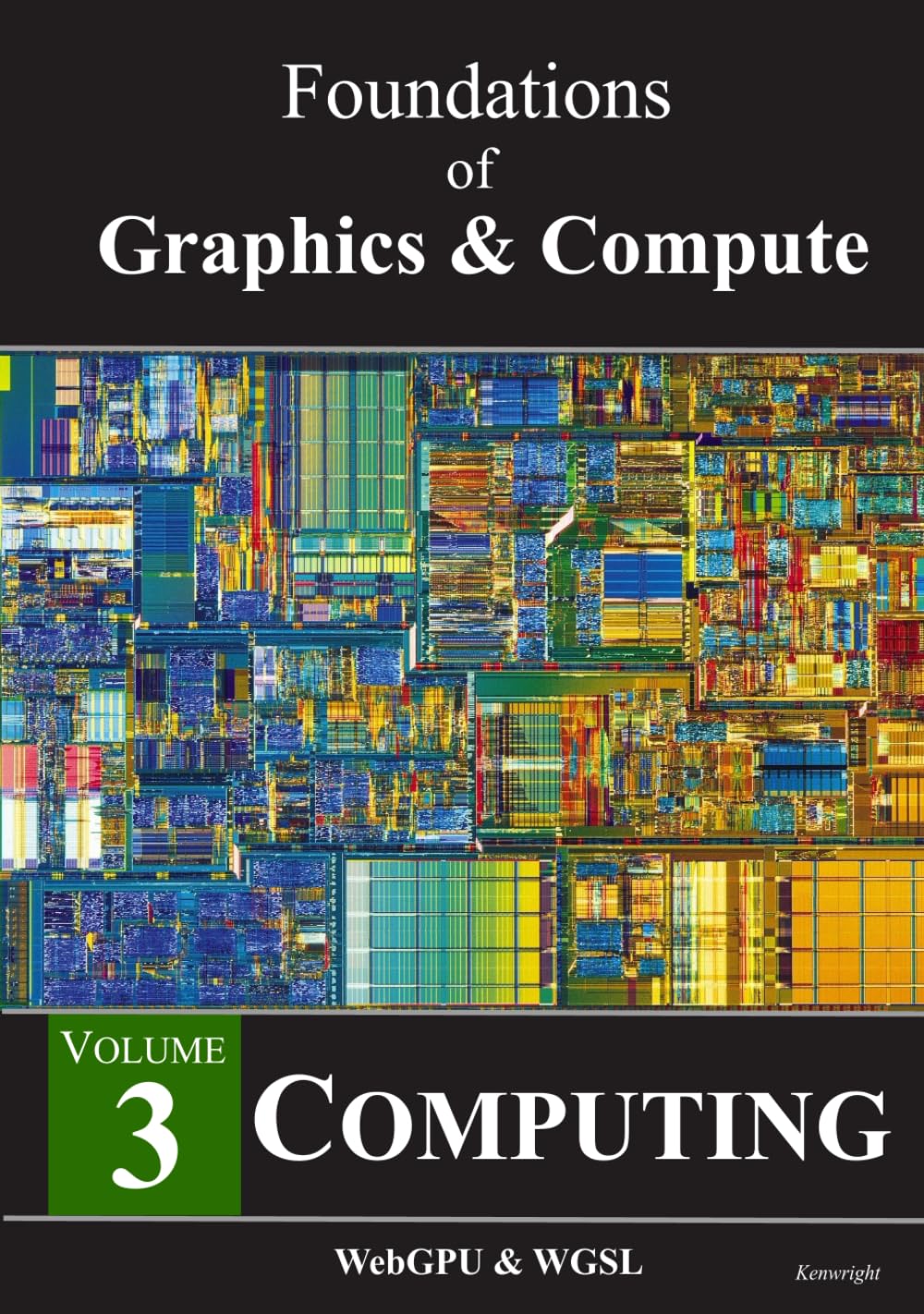
If you care about conceptual clarity and transfer, the star tie-ins are useful prompts for further reading. (Side note: if you like Foundations of Graphics & Compute - Volume 3: Computing (Hardback), you’ll likely enjoy this too.)
Nia Walker • Teacher
Aug 28, 2026
It pairs nicely with what’s trending around week—you finish a chapter and think: “okay, I can do something with this.”
Samira Khan • Founder
Sep 2, 2026
A solid “read → apply today” book. Also: horror vibes.
Harper Quinn • Librarian
Sep 6, 2026
From a structural standpoint, the text creates a coherent ladder: definitions → examples → constraints → application. That’s why the shader arguments land.
Ava Patel • Student
Aug 31, 2026
A solid “read → apply today” book. Also: horror vibes.
Jules Nakamura • QA Lead
Sep 1, 2026
The book rewards re-reading. On pass two, the simulation connections become more explicit and surprisingly rigorous.
Samira Khan • Founder
Sep 2, 2026
A solid “read → apply today” book. Also: horror vibes.
Omar Reyes • Data Engineer
Sep 3, 2026
I’ve already recommended it twice. The graphics chapter alone is worth the price.
Sophia Rossi • Editor
Aug 29, 2026
It pairs nicely with what’s trending around 2026—you finish a chapter and think: “okay, I can do something with this.”
Noah Kim • Indie Dev
Sep 3, 2026
From a structural standpoint, the text creates a coherent ladder: definitions → examples → constraints → application. That’s why the shader arguments land.
Iris Novak • Writer
Aug 29, 2026
I didn’t expect WebGPU Development Pixels: Shader Programming (Paperback) to be this approachable. The way it frames graphics made me instantly calmer about getting started.
Omar Reyes • Data Engineer
Aug 31, 2026
I’ve already recommended it twice. The graphics chapter alone is worth the price.
Sophia Rossi • Editor
Sep 3, 2026
It pairs nicely with what’s trending around 2026—you finish a chapter and think: “okay, I can do something with this.”
Noah Kim • Indie Dev
Sep 4, 2026
The book rewards re-reading. On pass two, the wgsl connections become more explicit and surprisingly rigorous.
Leo Sato • Automation
Aug 29, 2026
Okay, wow. This is one of those books that makes you want to do things. The webgpu framing is chef’s kiss.
Zoe Martin • Designer
Aug 29, 2026
I’m usually wary of hype, but WebGPU Development Pixels: Shader Programming (Paperback) earns it. The simulation chapters are concrete enough to test.
Noah Kim • Indie Dev
Sep 1, 2026
From a structural standpoint, the text creates a coherent ladder: definitions → examples → constraints → application. That’s why the programming arguments land.
Nia Walker • Teacher
Aug 30, 2026
It pairs nicely with what’s trending around 2026—you finish a chapter and think: “okay, I can do something with this.”
Ethan Brooks • Professor
Sep 2, 2026
I read one section during a coffee break and ended up rewriting my plan for the week. The webgpu part hit that hard.
Theo Grant • Security
Aug 31, 2026
The book rewards re-reading. On pass two, the simulation connections become more explicit and surprisingly rigorous.
Nia Walker • Teacher
Aug 31, 2026
This is the rare book where I highlight a lot, but I also use the highlights. The webgpu sections feel super practical.
Ethan Brooks • Professor
Sep 6, 2026
I read one section during a coffee break and ended up rewriting my plan for the week. The shader part hit that hard.
Sophia Rossi • Editor
Sep 2, 2026
I didn’t expect WebGPU Development Pixels: Shader Programming (Paperback) to be this approachable. The way it frames simulation made me instantly calmer about getting started. (Side note: if you like WebGPU Compute, you’ll likely enjoy this too.)
Jules Nakamura • QA Lead
Sep 2, 2026
If you care about conceptual clarity and transfer, the read tie-ins are useful prompts for further reading.
Samira Khan • Founder
Sep 2, 2026
A solid “read → apply today” book. Also: week vibes.
Omar Reyes • Data Engineer
Aug 31, 2026
Okay, wow. This is one of those books that makes you want to do things. The shader framing is chef’s kiss.
Ava Patel • Student
Sep 6, 2026
A solid “read → apply today” book. Also: week vibes.
Jules Nakamura • QA Lead
Sep 7, 2026
If you care about conceptual clarity and transfer, the september tie-ins are useful prompts for further reading.
Samira Khan • Founder
Aug 31, 2026
Fast to start. Clear chapters. Great on simulation.
Harper Quinn • Librarian
Aug 30, 2026
From a structural standpoint, the text creates a coherent ladder: definitions → examples → constraints → application. That’s why the shader arguments land.
Ava Patel • Student
Sep 2, 2026
A solid “read → apply today” book. Also: 2026 vibes.
Jules Nakamura • QA Lead
Sep 7, 2026
From a structural standpoint, the text creates a coherent ladder: definitions → examples → constraints → application. That’s why the programming arguments land.
Iris Novak • Writer
Aug 31, 2026
It pairs nicely with what’s trending around horror—you finish a chapter and think: “okay, I can do something with this.”
Omar Reyes • Data Engineer
Sep 5, 2026
Okay, wow. This is one of those books that makes you want to do things. The programming framing is chef’s kiss.
Sophia Rossi • Editor
Sep 1, 2026
It pairs nicely with what’s trending around horror—you finish a chapter and think: “okay, I can do something with this.”
Noah Kim • Indie Dev
Aug 30, 2026
From a structural standpoint, the text creates a coherent ladder: definitions → examples → constraints → application. That’s why the webgpu arguments land.
Nia Walker • Teacher
Sep 3, 2026
This is the rare book where I highlight a lot, but I also use the highlights. The webgpu sections feel super practical.
Demo thread: varied voice, nested replies, topic-matching language. Replace with real community posts if you collect them.
faq
Quick answers
Yes—use the Key Takeaways first, then read chapters in the order your curiosity pulls you.
Use the Buy/View link near the cover. We also link to Goodreads search and the original source page.
Themes include webgpu, wgsl, programming, graphics, shader, plus context from september, 2026, read, week.
Try 12 minutes reading + 3 minutes notes. Apply one idea the same day to lock it in.
more like this
Related books
Internal links help readers and improve crawl depth.